Pages

Showing posts with label FILM REVIEW. Show all posts

Wednesday, August 03, 2016

Kabali: hilarious definition of heroism

I had the opportunity to view the film of the matinee idol of Tamil Nadu- now in his sixties but still considered 'super star' and the highest paid in Tamil Nadu Rajni Kanth's ‘Kabali'. My mind went back to fifties - as a child of eleven or twelve. It was the first day­ first show of 'Kabali’ at the Colombo Cinema and it was a single show at 4 pm only. I was able to witness the anxious crowds in the queue, holding each others shoulders in order not to miss his place in the queue.

I was a bit disturbed by an elderly Muslim film buff, who was always trying to get in front of me! I offered my place willingly to him to show my generosity; But not a word of thanks! Anyway I was lucky enough to get a ticket in the ODC. It was in 'G' row, the first seat in the right, three seats from mine were not occupied. Somebody came and tried to sit in one of the seats… "No, you can't sit in this seat! I have kept it aside for my family members… The newcomer argued…. He said: “Don’t you see the back rows? The theatre management has kept ‘Reserved’ cards… The other seats like this are free to all… Anybody can sit anywhere! All of a sudden a call to the cellular phone…. Where are you? Where? In bus? Traffic?”

Frame one

While he was at it, the film show began. Still the fellow was trying to call his beloved ones!

A thundering applaud and uproar… Clapping! Hooting!! It was a mix up of the uproar and the sound of the film track… After the titles the film frame No. 1, a close up of man's feet wearing a pointed shoe… The sound track was thundering! And the film audience was uproaring! During the first 20 minutes Rajni Kanth's full frame appeared on the screen, it was only the echo of sounds! Was it a planned promotion campaign or was it really something happened by heart and soul?

From there onwards it was fast run new model cars going on some highways, slamming the enemy…chitty chitty bang bang… People get killed like flies! Or they run after each other like rats, cats or dogs! Isn't there a police protection? No, they come to the scene after it is all over!

Technically perfect. The sound track is uproaring. There was some dialogue about the pride of the Tamil nationality. And what happens in the film?

Post-mortem arrival

Towards the end of the first half the hero gets killed… His fiancé also gets killed brutally. The fiancé delivers a baby in the second half… on the mortuary table… She didn't have a big belly according to what we saw! And the baby is born after her death… And the funniest thing of all …

The hero is back too! Hindu Myth…? Some believe that even Ravan is alive!

Then the Big War! It's all chitty chitty Bang bang…Then after that lots of explosions! Lot of killings! At times the screen is filled with exploded glass pieces! Like some scattered flowers.

Ultimately the hero is the successor. When people say he is a hero…. The hero, ‘Kabali’, says “I am a rowdy!”

South Indian Cinema's explanation of ‘heroism'. It's a happy ending.

All are happy and got the ultimate satisfaction of entertainment. It's not an easy task to get the audience into cinema theatres.

It's a huge gambling. Majority of our film-makers are influenced by the South Indian Cinema since 1947. Still it prevails!

"Kabali" is a film which takes the South Indian cinema to its heights. Masses are entertained in many countries. Essentially it's Indian whether we agree or not!

Piyasena Wickramage

Thursday, May 26, 2016

හඳගමගේ 'ඇගේ ඇස අග' (LET HER CRY) : තහනම වෙනුවට වසඟය

සිනමා කරුවකුට නමෝ විත්තියෙන් ම විසඳා ගැනීමට සිදුවන ගැටලුව නම් තම වියමනෙහි ආකෘතිය සහ ව්‍යුහය කෙබඳු විය යුතුද යන්නයි.

විශේෂයෙන් ම සමකාලීන දේශපාලනය අදාළ සිනමා වියමන තුළ අනුශීලනය වන්නේ සිනමාකරුවා තම සිනමා පරිකල්පනය සමග කරන අරගලයේ ප්‍රමාණයට ය.

අශෝක හඳගම නිර්මාණය කරන 'ඇගේ ඇස අග' අධිපති දෘෂ්ටිවාදය ආගමික සන්දර්භයක් තුල බලගැන්වීමේ දේශපාලනය පිලිබඳ තියුණු කියවීමක් ලෙස අපට ගත හැකි වන්නේ ඒ අනුවය.

චිත්‍රපටය ඇරඹෙන්නේ (නාමාවලිය සමග) විහාරස්ථානයක වූ සිදුවීමකින් පසු මහා වැස්සේම ආපසු එමින් සිටින පවුලක සාමාජිකයන් අතර ඇතිවන කතා බහකින් ය.

සාමාන්‍ය ලෙස විහාරස්ථානය යනු විනෝදය තහනම් කරන තැනකි. එ මගින් ආත්මයට නැතහොත් විෂයට (subject) පවසන්නේ හැකිතාක් විනෝද වීම අඩු කරන ලෙස ය.

ඔහු හෝ අය තම විනෝදය විෂයෙහි පනවා ඇති තහනම කැඩීමෙන් තම විනෝදය තීව්‍ර කර ගනී. එහෙත් එහි ප්‍රතිඵලය වන්නේ වඩාත් සතුටක් ලැබීම වෙනුවට වේදනාවක් ලැබීම ය.

එය වේදනාත්මක සතුටක් (painful pleasure) ලෙස නම් කළ හැක.

මෝටර් රථය තුළ සිටින්නන් අතර හුවමාරු වන දෙබස් මගින් යළි යළිත් වර නැගෙන්නේ චිත්‍රපටය දෘෂ්ටාන්තමය වූ දේශපාලනික කියවීමක් බව පසු ආවර්තනය වෙමිනි.

බැලු බැල්මට මෙම චිත්‍රපටය දිගහැරෙන්නේ මැදිවිය ද පසු කළ විශ්වවිද්‍යාල මහාචාර්යවරයකුට පෙම් බඳින සරසවි සිසුවියක පිලිබඳ කතාවක් ලෙස ය.

ඇය නිරන්තර ව ඔහු තමා වෙත ආකර්ෂණය කරගනු පිණිස පොළඹවයි. ඇගේ හිස්ටරික ක්‍රියාකලාපය ඔහුට බලවත් කරදරයක් ලෙස පෙනී යයි. ඔහු නිතර තමා හමුවීමට එන බව ඔහුගේ බිරිඳට වාර්තා කිරීමෙන් නොනවතින ඇය මහාචාර්යවරයාගේ බිරිඳ සමග පවසන්නේ ඔහු තමාගේ සිරුරට ආසක්තව මෙසේ තමා ලුහු බඳින බව ය.

ඇය වරෙක මහාචාර්යවරයාගේ බිරිඳ (ස්වර්ණා) සමග මෙසේ පවසයි.

''මම හිතන්නේ සර් මගේ ඇ`ගට ආසයි''

අනතුරුව තමා ඇද සිටින තුවාය ගලවා තමා සිරුර ස්වර්ණා වෙත පා පාරට්ටු කර ගනී. ඇගේ මේ හිස්ටරික ෆැන්ටසිය දිගේලි වන්නේ ආත්මරාගී (narcissistic) උත්කර්ෂය තුළ ය. එහි දේශපාලනික කියවීම නම් අපේ රට පිලිබඳ විදේශිකයින් ආසක්ත වීම පිළිබඳ සිංහල බෞද්ධ දෘෂ්ටිවාදයේ ෆැන්ටසි මානයයි.

මෙම සිනමා පටය ස්ත්‍රීන් දෙදෙනෙකු කේන්ද්‍රීය ව නිර්මාණය වෙමින් ස්ත්‍රියගේ ආශාව ප්‍රශ්නකාරී ප්‍රස්තුතයක් ලෙස තොරොම්බල් වේ.

එය මට සිහි ගැන්වුයේ ලුවී බුනියල්ගේ දැට් ඔබ්ස්කියු ඔබ්ජෙක්ට් ඔෆ් ඩිසයර් නම් සිනමා පටය පිලිබඳ ජිජැකියානු විවරණයකි.

එම සිනමා පටයේ එන වියපත් ප්‍රේමවන්තයා ක්‍රියා කරන්නේ තමාගේ ප්‍රේමවන්තිය ස්ත්‍රීන් දෙදෙනෙකුගෙන් (එකම චරිතය මෙහි නිලියන් දෙදෙනෙකු ර`ගපායි.) සැදුන බව වටහා නො ගනිමිනි.

බාග විට ස්ත්‍රීන් දෙදෙනෙකු සිටින බව දන දැන ම ඔහු එහි සිටින්නේ එක ස්ත්‍රියකැයි ගෙන හැසිරෙනවා විය හැක. මන්ද යත් ඔහුගේ හැසිරීම තීරණය කරනු ලබන්නේ ස්වකීය සවිඥානක දැනුම නොව ෆැන්ටසිය විසින් වන බැවිනි.

එසේ නැත්නම් සිදු විය හැක්කේ එහි සිටින්නේ එකම ස්ත්‍රියක වන අතර ඔහු ඒ එකම ස්ත්‍රීයක ඕනෑ ම දෙයකට ඔට්ටු වෙසගණක බඳු ස්ත්‍රීයක ලෙස සහ පුරුෂවාදී ලෙස ප්‍රාර්ථනා කරන අචපල මාතෘක බිරියක වසයෙන් දෙකට ඛෙදනවා විය හැක.

බුනියෙල්ගේ සිනමා පටය තුල ප්‍රකාශමාන වන එක ම ස්ත්‍රීය දෙදෙනකු ලෙස (නො) ගැනීමේ දෘෂ්ටිවාදයේ ෆැන්ටසි රාමුව හඳගමගේ සිනමා පටයටද අදාළ ය.

මෙහි ප්‍රශ්නකාරී වන්නේ මහාචාර්යවරයාත්, බිරිඳත්, තරුණියත් යන තිදෙනා ම එකිනෙකාගේ ආශාව ලුහු බැඳීම තුළ නිර්මාණය වන ආතතියයි.

තමා සහ මහාචාර්යවරයා අතර ඇති සබඳතාව තරුණිය හිස්ටරික ලෙස ඔහුගේ බිරිඳට වාර්තා කලවිට ඇය මානසිකව කැළඹේ.

මේ නිසා ඇය සොයා ඇගේ බෝඩිම වෙත යන ඔහු ඇයගේ ආශාවේ සිරකරුවෙකු බවට පත්වේ. (දොරගුළු දමා ඔහු නිවස තුල කොටු කර ඇය රහසේ ම අහර පිසීම සඳහා බඩු රැගෙන ඒමට පිටත්ව යයි).

ඔහු අර්චනකාමී ලෙස ඇගේ ඇඳුම් (යට ඇඳුම් පවා ) පිළිවෙලකට නවා තබයි.

මේ අතරතුර ඔහුගේ බිරිඳගෙන් තරුණියගේ දුරකථනය වෙත ඇමතුමක් ලැඛෙතත් එයට පිළිතුරු දීම සඳහා ඇය නිවසේ නැත.

ආපසු නිවස වෙත එන තරුණියට දක්නට ලැඛෙන්නේ කමිසය ද ගලවා දමා උඩුකය නිරුවත්ව තම ඇඳ මත නිදා සිටින මහාචාර්යවරයා ය. ඇය වහාම තම දුරකථනය මගින් ඔහු නිදා සිටින ඉරියව් ඡායාරුපයට නගයි.

මහාචාර්යවරයා නිවසට ගිය පසු නිර්මාණය වන්නේ හාස්‍යජනක තත්වයකි. ඔහු තම නිවසේ ඇඳ මත සිටින බව ඇය ස්වර්ණාට දන්වන මුත් ඒ වනවිට ඔහු ඇයට හොරෙන් නිවසට පැමිණ තිබිණ.

මින් මහාචාර්ය බිරිඳ සතුටට පත් වෙතත් ඊට සුළු මොහොතකට පසු තරුණිය ඔහු තම කාමරයේ ඇඳ මත නිදා සිටින ආකාරය දැක්වෙන ඡායාරුප ඇය වෙත එවයි. මින් කැළඹීමට පත්වන ඇය වහා ම නිවසින් පිටව ගොස් තරුණිය තම නිවසටම කැඳවාගෙන එයි.

මෙම සිදුවීම් මාලාව ඉවසිල්ලෙන් යළි කියවන කෙනෙකුට පෙනී යන්නේ (ලැකානියානු අර්ථයකින් ) සරසවි සිසුවිය උත්කර්ෂවත් වස්තුවක් (sublime object) බවට තමා ම පත්වීමේ උත්සාහයක යෙදී සිටින බව ය.

ඇය සාමාන්‍ය ගමකින් සරසවියට පැමිණි තැනැත්තියකි. තමාගේ ශරීරය ගැන ඇය ම පවසන පාරට්ටුකිරීම් කුමක් වුවත් ඇය කියන තරම් රූමතියකද නොවේ.

ලැකානියානු වස්තුව නැතහොත් ලැකන් විස්තර කරන වස්තුව (object) හුදු හිස් බව ආත්මීයව ගත් කිසිවකි.

මෙම වස්තුන් විසින් සගවන්නේ ඒවාහි හිස් බවයි. එ බඳු හිස් වස්තුවක් උත්කර්ෂවත් වස්තුවක් බවට පත් වන්නේ කෙසේද යන්න පිලිබඳ ස්ලවෝජ් ජිජැක් කර ඇති පැහැදිලි කිරීම දළ සිංහලට නගන්නේ නම් මෙසේ ය.

උත්කර්ෂවත් වස්තුවක් තුල නිසගවම පිහිටන උත්කර්ෂවත් වූ කිසිවක් නැති බව අප මතක තබා ගත යුතු ය. ලැකාන්ට අනුව උත්කර්ෂවත් වස්තුව යනු එදිනෙදා දකින සාමාන්‍ය වස්තුවක් වන අතර අහම්ඛෙන් තමා (ලැකන් සංකල්ප ගත කරන ) das Ding නැතහොත් දෙය (thing) එනම් ආශාවේ විය නොහැකි සැබෑ වස්තුව (impossible real object of desire) බවට පත් වී ඇති බව දැන ගනී.

- Sublime Object by Slavoj Zizek

අප මෙහි දී නැගිය යුතු ප්‍රශ්නය නම් තරුණිය උත්කර්ෂවත් වස්තුවක් බවට පත් වන්නේ කවරකු වෙනුවෙන්ද යන්නයි. සැබවින් ම ඇගේ අනෙකා මහාචාර්යවරයා නොව ඔහුගේ බිරිඳ ය.

බුනියෙල්ගේ දැට් ඔබ්ස්කියු ඔබ්ජෙක්ට් ඔෆ් ඩිසයර් චිත්‍රපටයේ අපට හමුවන ස්ත්‍රීයගේ විරුද්දාභාසය අපට හඳගමගේ ඇගේ ඇස අග තුළ දී හමුවේ.

බුනියල්ගේ ස්ත්‍රිය ඇගේ මහලු පෙම්වතා සමග ශාරීරික ව එකතු වීම විවිධ ප්‍රයෝග මගින් යළි යළිත් කල් දමයි. අවසානයේ දී ඇගේ පෙම්වතා මිලදී ගෙන දෙන නිවසේ දොර ඔහුට වැසීමෙන් නොසෑහී ඔහුගේ දෑස ඉදිරි පිටදී ම වෙනත් තරුණයකු සමග සංසර්ගයේ යෙදෙයි.

ඇගේ ඇස අග තරුණියගේ හැසිරීම එයට දෙවැනි නැත. ඇය මහාචාර්යවරයා පොළඹවා ගෙන මුහුදු වෙරළට ගොස් තමන් දෙදෙනා බීච් රෙස්ටෝරන්ට් එකකට ගිය බව බිරිඳට වාර්තා කරයි.

මහාචාර්යවරයා ආසක්ත වී ඇත්තේ තමාගේ සිරුරට බව නිරන්තර ව ඇය ඔහුගේ බිරිඳට පවසයි. ඇයම පවසන පරිදි ගමේ පන්සලේ ධර්ම දේශනාවක දී ගැහැනුන් ඇයට ඉදිරියට යාමට නොදෙන්නේ හාමුදුරුවන්ට බණ වරදිතයි බියෙනි.

ඇය වූ කලී පාරේ යන විට ගමේ ස්ත්‍රීන් තම පුරුෂයින් පමණක් නොව සතුන් පවා ගෙට දමා දොර වසා දැමීමට තරම් ආකර්ෂණීය වස්තුවකි.

ඇය ඇත්තට ම අසමින් සිටින්නේ මා ඔබට කවරෙක්ද යන ප්‍රශ්නයයි. ඇය තමාගේ හිස්ටරික ෆැන්ටසියේ මෙහෙයවීමෙන් මෙම ප්‍රශ්නය නගන්නේ මහාචාර්යවරයාගෙන් නොවීම මෙහි විශේෂය යි.

මෙම සිනමා පටයේ ඛෙහෙවින් සංකීර්ණ සංසිද්ධියක් වන්නේ මහාචාර්ය බිරිඳ තරුණිය තම නිවසට ම කැඳවාගෙන ඒම ය.

එක අතෙකින් එය ඇයට තමාගේම තුරුණු විය තමා වෙත කැඳවා ගැනීමකි.

දැන් ඔයා හීනියට හිටියට පස්සේ අල ගෝනියක් වගේ මහත් වෙයි. යනුවෙන් කියන විට ඇය ස්මරණය කරන්නේ තමාගේම තුරුණු ශරීරයයි.

සැබවින් ම එසේ පවසන විට නරඹන්නිය සිතින් දකින්නේ නිළියක ලෙස (සාගර ජලය, හන්තානේ කතාව, සුද්දීලාගේ කතාව වැනි චිත්‍රපටවල) සිහින්ව සිටි අවදියේ ස්වර්ණාගේම තුරුණු රුපයයි.

මහාචාර්යවරයාගේ ඛෙලහීනතාව අවදි කල හැක්කේ එබඳු ශරීරයකට යයි ඇය ෆැන්ටසිකරණය කරයි.

නින්දේ සිටින මහාචාර්යවරයාගේ පුරුෂ ලිගුව ඍජු ව තිඛෙනු දකින ස්වර්ණා ඔහු දකින සිහිනය කුමක්දැයි වැටහීමෙන් කැළඹීමට පත් වන්නේ එබැවිනි.

එක් අතෙකින් තරුණිය නිවසට කැඳවා ගැනීම මහාචාර්යවරයා සහ ඇය අතර සබඳතාවයේ රහසිගත බව තළ වර නැගෙන විනෝදය අහෝසි කර දැමීමකි.

මහාචාර්යවරයා විඳින සතුට ඊට අදාළ වස්තුව ඔහු සමීපයට රැගෙන ඒමෙන් නැතහොත් තහනම ඉවත් කිරීමෙන් අහෝසි කර දැමිය හැකියයි ඇය අවිඤානික ව කල්පනා කරයි.

එහෙත් සැබවින්ම සිදුවන්නේ මහාචාර්යවරයා විෂයෙහි සුපිරි අහමෙහි පාලනය තීව්‍රව මතු වීම ය. ඔහු ඇය ගැන සරාගී සිහින දකී. ඇගේ කාමරයට ගොස් අගේ සුවඳ විලවුන් හලා ගනී. සුපිරි අහම ක්‍රියාත්මක වන්නේ නීතිය අසමත් වූ තැනය.

ජිජැක් අසම්පාතය (parallaxy) යනුවෙන් න්‍යායගත කරන්නේ මෙම තත්වයයි.

එනම් යම් සිදුවීමක් හෝ වස්තුවක් දෙස නරඹමින් සිටින ස්ථානය මාරු කිරීමෙන් යම් වෙනසක් සිදුවීම ය.

සිනමා පටය තුළ (බිරිඳගේ ක්‍රියාවෙන්) සිදු වන්නේ මහාචාර්යවරයාගේ සහ තරුණියගේ දුරස්ථ සබඳතාව වෙනත් පර්යා ලෝකයක් (perspective) වෙත කැඳවීම ය.

එහෙත් ඔවුන්ගේ සබඳතාවයේ වෙනසක් සිදුවන්නේ නැත. ඔවුන් අතර දුරස්ථබව ඒ ආකාරයෙන් ම නඩත්තු කෙරේ.

මහාචාර්ය බිරිඳ අනුගමනය කරන්නේ අද කාලයේ ධනවාදය අනුගමනය කරන ක්‍රමවේදයයි.

එ නම් ධනේශ්වර සමාජය තුල සංකේතික පැවැත්ම (symbolic order) සහ නීතිය විසින් අශ්ලීල සුපිරි අහමෙහි තහනම ස`ගවාලයි.

සරලව කියන්නේ නම් අද ධනේශ්වරය තහනම වෙනුවට විනොදවෙන්න (enjoyi) යනුවෙන් පවසයි.

සමාජ ක්‍රමයේ වෙනසක් අපේක්ෂා කරන්නකු වටහාගත යුතු ධනේශ්වරයේ චලනය එයයි.

විමුක්තිය ලැබීම සඳහා අප කළ යුතු දේ වන්නේ තහනම වෙනුවට විනෝදවන්න යන නියමය ප්‍රතික්ෂේප කිරීමෙන් නව අවස්ථාවන් (new possibilities) මතු කර ගැනීම බව ජිජැක් යෝජනා කරයි..

එහෙත් සිදුවන්නේ විනෝද සාධකයට නතු වීමෙන් සංකේතීය නොහැකියාව (symbolic impossibility) දිගින් දිගට ම නඩත්තු කිරීම ය. සිනමා පටය එ ලෙස අප දවසරින සමාජය පිලිබඳ දෘෂ්ටාන්තයක් ලෙස ක්‍රියා කරමින් එහි සංකල්පීය වපසරිය පුළුල් කෙරෙයි.

මෙම ලිවීම සමග ගැටෙන කියවන්නිය ඇගේ ඇස අග සිනමාත්මක ලෙස තක්සේරු කරන්නේ කෙසේද යන ප්‍රශ්නය නගනු මට ඇසෙයි.

ඒ සඳහා දිය හැකි සරල පිළිතුර වන්නේ මා යට සඳහන් කල සියල්ල සංජානනය වන්නේ අධ්‍යක්ෂවරයාගේ විචක්ෂණශීලී සිනමා බස තියුණු ලෙස කියවීමෙන් බවය.

කෙටියෙන් කිවහොත් යළි යළිත් වර නැගෙන (Repatitive) රූප භාවිතය තුළ එක් අතෙකින් ඔහු මෙම චරිතවල හිස්ටරික බව තියුණු ව කියවයි.

අනෙක් අතින් එය ස්ථානගත වන හිස්ටරික සමාජය අප ඉදිරියේ නිරාවරණය වෙයි.

මේ සියල්ල කැටි කොට ගත් විට ඇගේ ඇස අග යනු තහනම වෙනුවට වස`ගය සමග ආතුර වන අප දෙසම පෙරලා බලා සිටීමට අපට ඉඩ සලසන විදියේ (gaze) සිනමා නිමවුමක් බව කිව යුතුය.

( සමන් වික්‍රමාරච්චි) 
srilankamirror.com

15 Indian Movies That Got Banned By The Censor Board

Bollywood is the largest film industry in the world in terms of number of movies produced every year. However, apart from all the hits, flops and the average, there exists another brand of Indian cinema which is deliberately kept out of our reach. Films that indulge in strong (read bold) language, suggestive (read vulgar) scenes, gender taboos, Kashmir issues, religion and basically movies which are way ahead of its time.

Here's a list of movies which the Censor Board banned, not that the viewers missed any of it!

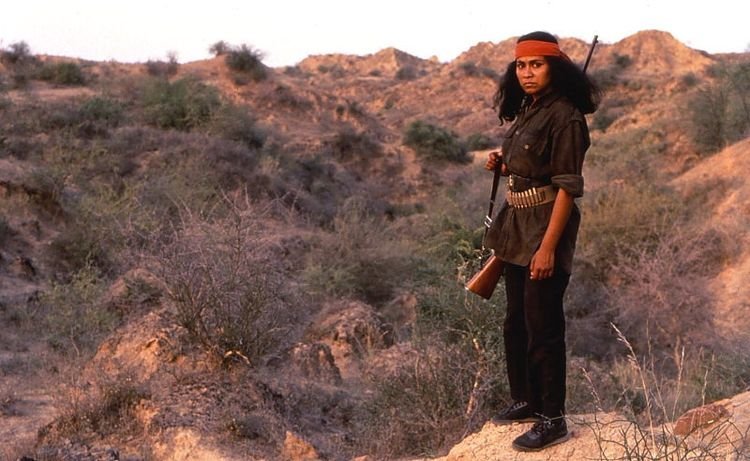
1. Bandit Queen (1994)


Bandit Queen was straight up 'offensive', 'vulgar', 'indecent' and almost laughed at the cinematic conservatism of the Indian censor board. The subject was such. Based on the life of Phoolan Devi, this Shekhar Kapur movie was banned due its explicit sexual content, nudity and abusive language, which the Censor Board could not (obviously) digest.


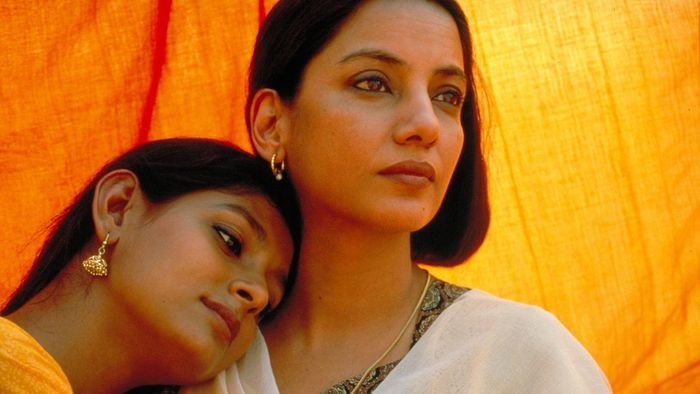
2. Fire (1996)


Deepa Mehta's work is recognised for its global content and appeal. However, closer home, that translates to controversy. Among others, one such movie was 'Fire' which garnered a lot of critical acclaim worldwide but failed to impress Hindu groups (like Shiv Sena) in India due to its subject, which dealt with lesbian relationship between two sisters-in-laws in a Hindu family. The controversy ended with the leading actors, Shabana Azmi and Nandita Das along with their director Deepa Mehta receiving death threats and Censor Board finally banning the movie in the country.

Source: themoviedb

3. Kama Sutra - A Tale Of Love (1996)


In a rather hypocritical move, Kama Sutra - A Tale Of Love too faced the wrath of Censor Board which termed it 'explicit', 'unethical' and 'immoral' for the audiences of the nation which came up with the concept of Kama Sutra! This Mira Nair movie, which depicted the lives of four lovers in the 16th century in India, was a hit with the critics but a major flop with the Censor Board and ultimately got banned. We did see it coming.

Source: pinterest

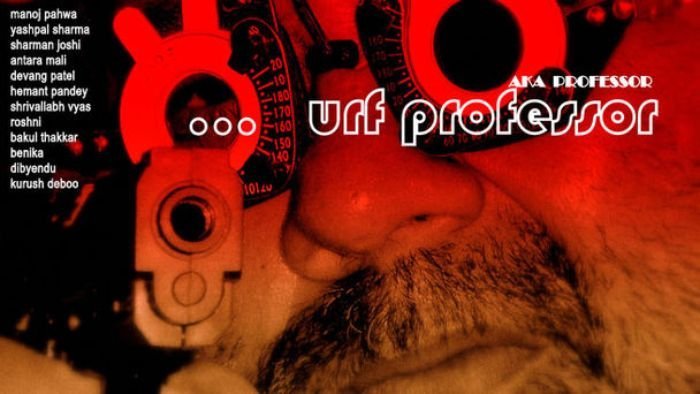
4. Urf Professor (2000)


Another movie to run into trouble with the Censor Board was Pankaj Advani's Urf Professor starring Manoj Pahwa, Antara Mali and Sharman Joshi. The movie traces the journey of the protagonist after a hit-man's car and a winning lottery ticket goes missing and the chaos that follows. However, what irked the Censor Board were the 'vulgar scenes' and 'bold language' used in this black comedy, which ultimately led to a ban on the movie.

Source: moviesoye

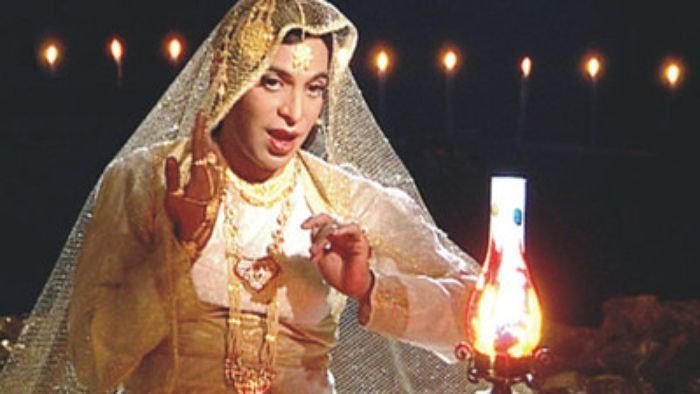
5. The Pink Mirror (2003)


While experimental movies became the norm, gender issues was still a touchy topic to explore. The Pink Mirror by Sridhar Rangayan is one such movie which brought the concept of trans-sexuality to the forefront. The story dealt with the quest of two transsexuals and a gay teenager to seduce a straight man. No prizes for guessing that the Censor board got offended by the 'vulgarity' in the movie and banned it even after the film garnered rave reviews at film festivals around the world.

Source: flipkart

6. Paanch (2003)


Paanch, an Anurag Kashyap movie, faced a lot of heat from the Censor Board . Said to bebased on the Joshi-Abhyankar serial murders in 1997, the movie was a thriller with high octane violence, crass language and drug abuse. No wonder, the Censor Board decided to ban the film and people awaiting the release of the movie had to make-do with the pirated version of the film.


7. Black Friday (2004)


Loosely adapted from the famous book Black Friday - The True Story of the Bombay Bomb Blasts by S Hussain Zaidi, Anurag Kashyap's movie was considered too dark to be released in India. The movie faced a stay order from The Bombay High Court because the 1993 Bombay blasts case and remained slated-to-release until the trial got over.


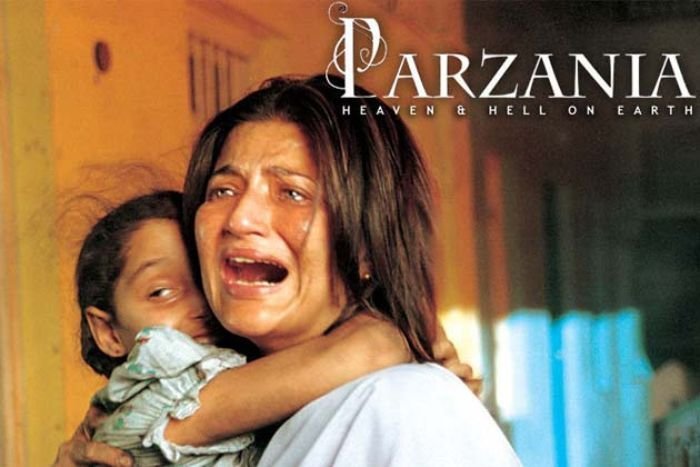
8. Parzania (2005)


Parzania cut open the wounds of Gujarat's scarred past, and received backlash and appreciation in equal amounts. The film was based on a superb plot which revolved around a boy called Azhar who goes missing during the Gujarat riots in the year 2002. Even though the film won a National Award, its cinematic excellence was not considered enough for political parties to let it screen in Gujarat, where it was fiercely banned.


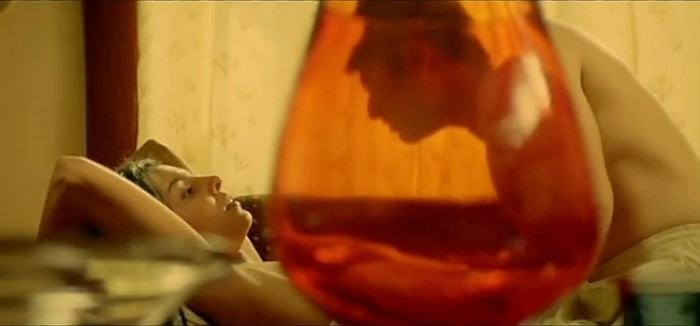
9. Sins (2005)


Sins is an erotic journey of a Kerala priest who falls for the charms of a woman and gets sexually involved with her. Filled with obsession, lust and his struggles with the norms of the society he lived in, Sins did not go down well with with the Catholics. They thought the film projected Catholicism in a very immoral light. The Censor Board too, had issues with the nude scenes in the film and hence the movie did not see the light of the day.

Source: detuik

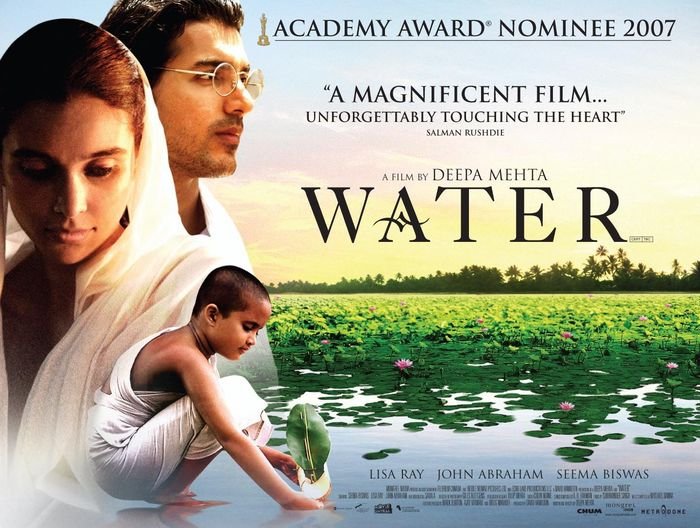
10. Water (2005)


Water is another Deepa Mehta movie which courted a lot of controversy because of its dark insights on the life of the Indian widow. Set in a certain Ashram of Varanasi, the script of the movie was written by none other than Anurag Kashyap and took up controversial issues like ostracism and misogyny which were alien to the Indian Censor Board back then. No wonder, the movie was widely attacked by protesters and around 2000 fanatics even destroyed the sets of the film.

Source: impawards

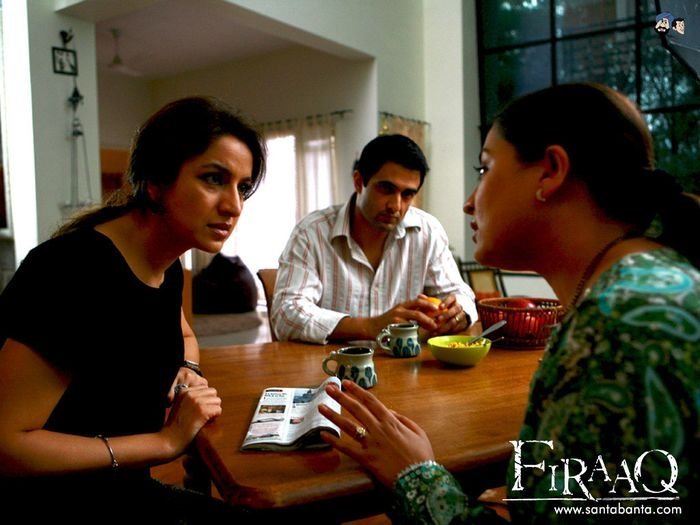
11. Firaaq (2008)


Another film to deal with the Gujarat riots, Firaaq was reportedly based on true incidents which happened in the riot-torn Gujarat. Nandita Das was widely criticised for hurting the sentiments of Hindus and Muslims and ultimately the movie got banned. But what came as a major achievement was the fact that the movie finally saw a release date and upon its release, garnered rave reviews from critics and audiences alike.

Source: santabanta

12. Gandu (2010)


If you expected anything else from a movie named 'Gandu', you'd definitely be disappointed. The Bengali movie was a rap musical which created a lot of buzz for its oral sex scenes and nudity. Shot in white and black format, the movie was banned because it 'defied Indian sensibilities'.

Source: glamsham

13. Inshallah, Football (2010)


Inshallah, Football is a documentary about a Kashmiri boy who aspires to travel abroad and become a famous footballer someday. However, the boy is denied travelling outside the country because his father is charged with militancy. This film was intended to bring out the problems civilians face due to the insurgencies and militancy in the Kashmir Valley, but the purpose was defeated as it was denied the necessary censor certificate because of its sensitive subject.

Source: njisacf

14. Dazed in Doon (2010)


Doon School is one of the most highly respected schools of the country. The Doon School had problems with the content of Ratna Pathak Shah's coming-of-age movieDazed in Doon which depicted the story of a boy who is studying at the prestigious Doon School and the life he leads there. The school did not find it amusing to say the least and believed that it spoilt the name and heritage of the school and hence got the film stalled.

Source: ashvinkumar

15. Unfreedom (2015)


The most recent one to join this long list of banned movies in India, Unfreedom is a modern-day thriller which talks about a lesbian love story entangled within an Islamic terrorism-related angle. Bringing together two 'taboos' in one package, the Censor Board could not digest the nudity and the lovemaking scenes between the two protagonists. Reports also suggest that the movie was accused of "igniting unnatural passions" and hence was denied release in India, except for a few states.

Source: teasers

Sunday, February 07, 2016

ගුරුවරු සහ මව්පියන් හෝගාන පොකුණට තල්ලු කළ යුතුය

අප චිත්‍රපට බලන්නේ ඇයි? වැඩි දෙනකුගේ පළමු පිළිතුර විනෝදය පිණිසය යන්නය. එය සැබෑය. ඒ නිසා කවදත් සිනමාවේ විනෝදාත්මක චිත්‍රපට බහුලය. එහෙත් ඒ අතර ඉඳහිට නිපදවෙන සිනමාත්මක බසින් පොහොසත් අර්ථපූර්ණ චිත්‍රපටද තිබේ. ඒවාට රොද බැඳගත් ප්‍රේක්‌ෂක පිරිසක්‌ද සිටී. උදාහරණ ලෙස ගතහොත් "හතරදෙනාම සූරයෝ" අතිශය ප්‍රබෝධයක්‌ මතුකළ විනෝදාත්මක චිත්‍රපටයකි. එමෙන්ම නිධානයද, හතර දෙනාම සූරයෝ තරම්ම ප්‍රේක්‌ෂක හරසර ලැබූ චිත්‍රපටයකි. 

හොඳ චිත්‍රපට යනු එවේලේ හුදු විනෝදය සපයන්නක්‌ නොවේ. ඒවා මිනිසුන්ගේ කල්පනාවන්ට අලුත් කල්පනා ලබා දේ. ජීවිතය ගැන අප මින් පෙර නොදත් දේ කියා දේ. ඒ චිත්‍රපට අපට කියාදෙන දෙයින් අපි එතෙක්‌ වැළඳගෙන සිටි පරණ හැව අත්හැර නව දීප්තියකින් බැබලෙන්නට පටන් ගනු ලැබේ. අප වඩාත් හොඳ මිනිසුන් බවට පත්වන්නේ අර්ථ පූර්ණ කලාවන් හරහා ය. 

මෑතකාලීනව ගතහොත් සුනිල් ආරියරත්නගේ බෝ මැඬ වගුරන කිරි කළ දහසින් වැනි පද මාලාවකින්, ජෝර්ඡ් කීට්‌ගේ බේබදු සැමියා වැනි චිත්‍රයකින්, පරාක්‍රම කොඩිතුවක්‌කුගේ ගලින් ගලට පය තිය තියා වැනි කුසුමලතාගේ කවියකින්, රාජිත සිරිවර්ධනගේ සිරිවර්ධන පවුල වැනි නාට්‍යයකින්, අශෝක හඳගමගේ ගේ ඉනි අවන් වැනි චිත්‍රපටයකින් අප ජීවිතය ගැන අලුතින් උගත්තෝ වෙමු. ඔවුන් ඇතුළු කලාකරුවන් රාශියක්‌ දෙනා අලුත් අර්ථ සම්භාරයක්‌ අප වෙත සම්පාදනය කර දෙමින් සිටිත්.

මේ එවැනි කලාකරුවකුගේ කලා කෘතියක්‌ ගැන ස්‌තුතියෙන් යුතුව ලියනු ලබන කෙටි සටහනකි.

හෝගානා පොකුණ යනු අප කුඩා කාලයේ තේරවිල්ලකි. හෝ ගානා පොකුණ මොකක්‌දැයි ඇසූ විට අපේ ළමා වියේ එය කුමක්‌දැයි නොදත් ළමෝ බොහෝ සිටියහ. මක්‌නිසාද එකල බොහොමයක්‌ ළමෝ හෝගාන පොකුණ දැක නොතිබූ හෙයිනි. විශ්මයජනක කරුණ නම් එයින් 50 වසරකට පසුව වෙසෙන අද ළමයෙකුගෙන් හෝගානා පොකුණ කුමක්‌දැයි ඇසූ විට පිළිතුරු දෙන්නට ඔවුන්ද නොදත් කමය. පිළිතුරු දෙන්නට අසමත් හැම ළමයෙක්‌ම මහ මුහුද දැක ඇති ළමුන්ය. පරම්පරා දෙකක වෙනස හෝ ගාන පොකුණ අපට සිහිපත් කර දෙයි.

ගෝ ගාන පොකුණ චිත්‍රපටයට තේමා වන්නේ, ඉතා දුෂ්කර ගම් පෙදෙසක පාසලක මහ මුහුද නුදුටු දරු දැරියන් පිරිසක්‌ මහ මුහුද දකින්නට යැම ප්‍රීතිමත් ගමනකින් කෙළවර වීමයි. 

බැලු බැල්මට මෙය සරල පුවතකි. එහෙත් මේ චිත්‍රපටය නිර්මාණය කළ අධ්‍යක්‍ෂවරයා (ඉන්දික µර්ඩිනැන්ඩු) මේ සරල පුවතින් ඉතා අනර්ඝ ගණයේ චිත්‍රපටයක්‌ ප්‍රේaක්‍ෂකයා වෙත ප්‍රදානය කොට ඇත.

හෝ ගාන පොකුණ ළමා චිත්‍රපටයක්‌ ලෙස හැඳින්වුවද එය නරඹන විට අපට හැඟෙන්නේ එය ළමා සිනමා පටයක්‌ ලෙස නොවේ. එය වැඩිහිටි අයද නැරැඹිය යුතු සිනමාවකි.

මේ දුෂ්කර පාසලට අලුතින් පත්වී එන තරුණ ගුරුවරිය කොළඹ පළාතේ යුවතියකි. පාසලේ සිටින්නේ ළමුන් දහඅට දෙනෙක්‌ සහ විදුහල්පති පමණි. විදුහල්පති ළමුන් ලවා පාසල් බිම වගාකොට ඒ මුදල යටිමඩි ගසා ගත්තෙකි. අධ්‍යාපන දෙපාර්තමේන්තුවෙන් පාසලට ලැබෙන පියානෝව පැදුරකින් වසා තබන විදුහල්පති ළමුන්ට කියන්නේ එතුළ මකරෙකු සිටින බවත්, එනිසා අත නොතබන ලෙසත්ය.

මෙලෙස සෑම අතකින්ම වල්වැදී තිබුණු කුඩා පාසල පණ ගසා ඉපදෙන්නේ තරුණ ගුරුවරියගේ ආගමනයත් සමඟය. නරඹන්නාටද පාසලේ ළමුන්ටද නව සමාජ ආකල්ප හඳුන්වා දෙන්නේ රැඩිකල් චින්තනයෙන් හෙබි තරුණ ගුරුවරියයි. ආචීර්ණ කල්පිත විදුහල්පති පවා මේ ගුරුවරිය නිසා කෙමෙන් වෙනස්‌ වෙයි.

මූලික ගැටුම ඇරැඹෙන්නේ මේ ගැමි ළමුන් කිසිවෙකුත් හෝ ගානා පොකුණ හෙවත් මහ මුහුද දැක නැති බව අනාවරණය වීමත් සමඟය. මේ ඈත දුෂ්කර ගමේ සිට මුහුද බලන්නට කොළඹ යැම අති දුෂ්කර කාර්යයකි. ගමනට ගමේ තිබෙන එකම බස්‌රථය ග්‍රාමසේවක සතුය. ඔහු බස්‌රථය දීම අතපසු කරයි. රිය පදවන රියෑදුරාට ලයිසන් නැත. ළමයින් අත මුදල් නැත. 

නමුත් තරුණ ගුරුවරිය සටන අත්නොහරී. චිත්‍රපටය අප හා බැඳෙන්නේ එම අරගලය තුළිනි.

සිනමා පටයක්‌ වුවද මෙහි අධ්‍යක්‍ෂවරයා නාට්‍ය වේදියෙකු නිසා චිත්‍රපටය නාටකීය අවස්‌ථාවලින් අලංකෘත කොට තිබේ. ඒ නාටකීය බව චිත්‍රපටය හා ප්‍රේක්‍ෂකයා අතර බැඳීම තීව්‍ර කරයි.

නළු නිළියන්ගේ රඟපෑම් ප්‍රශංසනීයය. ප්‍රධාන චරිතය රඟපාන අනුෂයා සුබසිංහ හොඳ රඟපෑමක යෙදෙන මුත්, ඇතැම් විට ප්‍රමාණය ඉක්‌මවා යැම්ද දැකිය හැක. ප්‍රතිභාවෙන්ද පළපුරුද්දෙන්ද අනූනයෙකු වූ ජයලත් මනෝරත්නගේ රඟපෑම් මේ ළමා චිත්‍රපටයට මහත් ආලෝකයක්‌ සපයයි.

ඇතැම් සිද්ධීන්වල නොගැලපීම් තිබේ. රියෑදුරෙක්‌ නැති නිසා අවසානයේ බස්‌රථය පදවාගෙන යන්නේ තරුණ ගුරුවරියයි. එය තරුණ ගුරුවරියට අනවශ්‍ය වීරත්වයක්‌ ආරෝපණය කිරීමක්‌ ලෙස පෙනේ. ගමන යා යුතුව තිබුණේ ළමෝ ඉතා මහන්සියෙන් හදාගත් රියෑදුරා සමඟමය. එසේ නම් අවසානය තවත් ප්‍රීතිමත් වනු ඇත.

හොඳ කලා කෘතියකින් විය යුත්තේ සමාජයට හොඳ නරක කියා දීම නොව අලුත් අර්ථවත් අදහස්‌වලින් සමාජය අලුතින් සිතන්නට පෙළඹවීමය. හෝ ගාන පොකුණ එවැනි චිත්‍රපටයකි.

මෙය ළමුන් පමණක්‌ නොව වැඩහිsටියන් සේම ගුරුවරුද බැලිය යුතු එකකැයි යෝජනා කරන්නේද නොඑසේ නම් ඔවුන් හෝ ගානා පොකුණට තල්ලු කොට එය බලන්නට බල කළ යුතු යෑයි යෝජනා කරන්න් සද්භාවයෙනි.

චන්දසිරි දොඩන්ගොඩ  www.divaina.com

Tuesday, December 08, 2015

No boundaries for love


There are some novels which simply cannot be made into a film. Adapting Audrey Niffenegger's wonderfully complex novel 'The Time Traveler's Wife' could not have been easy but Robert Schwentke and his team had dished out a considerably tolerable version of the tale. The lifelong romance between Clare and Henry begins at the age of six when Henry experiences the horror of his mother's death and time travels for the first time.

Later we see him approaching Clare when she was a little girl, and introducing himself to her for the first time. The two form an instance bond and in later years she becomes his wife.

Minus point

One of the drawbacks of Schwentke's movie is that a viewer who is not familiar with Niffenegger's original text may take time to pick up the pieces of the plot. There are times when he or she may not understand some of the incidents in the tale at all. Henry's habit of jumping randomly to the past and future is enough to perplex even those who know the story. The fact that he shows up somewhere buck naked out of the blue contributes to the viewer's bafflement and complicates his relationship with Clare.

Another minus point is that the reason for Henry's constant time traveling is not given much screen space in the movie expect for a few chitchat lines about genetics. The latter part of Niffenegger's novel deals with this topic in a wider scale while the film hastily touches upon it and makes more room for the romance between the lead pair. It is also unclear why Henry keeps on being drawn to Clare at different periods of her life.

Good reason

At the same time a good reason is not given on why Henry cannot make use of his ability to save his mother from the automobile accident. There is nothing to suggest that he cannot make use of his gift as he does take advantage of it by winning the lottery to buy Clare their dream home. Such loopholes and absence of logic puzzle the audience and lets Niffenegger's bestseller down.

One of the worst crimes that a director could do to an adaptation is to change its concluding scene. This we have witnessed in movies like 'My Sister's Keeper' which had a less heart-tugging climax than Jodi Picoult's masterpiece. The same has been done to Niffenegger's work.

The scene indicates that Clare did not have to wait long to see Henry for the last time while the book reveals that Clare waited decades, stretching onto her twilight years, to catch one last heart-stopping glimpse of her husband. Such an alteration tones down the emotional impact on the audience.

Soulful stares

Hunky Eric Bana and the lovely Rachel McAdams make a striking pair though they lack chemistry in each other's arms. However their individual acting skills keep the film from falling apart.

They come up winners with their soulful stares and the emotional struggles they undergo during certain circumstances such as Clare in her miscarriages and Henry after getting a vasectomy.

'The Time Traveler's Wife' is about romance in every sense: its enduring qualities and ability to transcend time and space. However just like Bana's Henry, the audience too does not know if they are coming or going in most instances of this adaptation. It needs much improvement to be on par with the elegance of the 2003 novel.

http://www.dailynews.lk/ Ruwini JAYAWARDANA

Tuesday, October 13, 2015

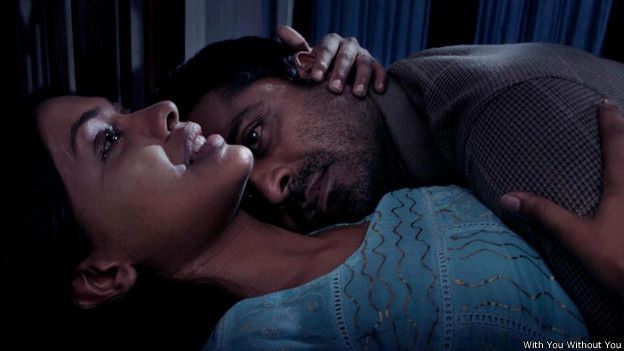
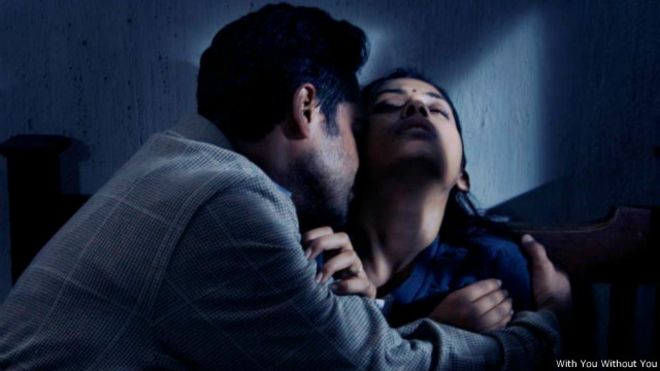
ඔබ නැතුව ඔබ එක්ක:(With You Without You) 'මමද ජීවත්වෙමි, ඔබද ජීවත්වනු ඇත'

ලාංකේය සිනමා කලෙක සිට අරක් ගෙන ඇති සිංහල බෞද්ධ, වීර කතා රැල්ලේ සිනමාවෙන් හෙම්බත්ව සිටි මොහොතක ප‍්‍රසන්නගේ පැමිණීම ම සිත බලාපොරොත්තු ඇති කරන සුළුය. ප‍්‍රසන්නගේ 'ඔබ නැතුව ඔබ එක්ක' සිනමා පටය නැරඹූ මොහොතේ අසිරිමත් සිංහල සිනමාවේ මුදු සුළං පොදක් විඳ ගැනීමේ ප‍්‍රහර්ෂයෙන් මා ඇළලී ගිය බව කිවමනාය.

'ඔබ නැතුව ඔබ එක්ක' සිනමා කෘතිය පිළිබඳ ලියැවුණු බොහෝ විචාර කියවා තිබුණද චිත‍්‍රපටය නැරඹීමෙන් පසු ඒ එකදු විචාරක මානයකට හෝ ප‍්‍රසන්නගේ ස්ත‍්‍රී පුරුෂ ආදරය පිළිබඳ නව කියවීම එතරම්ම ප‍්‍රබල ලෙස ග‍්‍රහණයව නැතැයි හැඟෙ.

එසේවතුදු එකී රූපමය කියවීම පේ‍්‍රක්ෂකයා වෙත ප‍්‍රක්ෂේපණය කරන තත්‍ය මිනිස් හැසිරීම්, විවිධ අර්ථකථන විවිධ හඳුනාගැනීම් සහ අනේක විධ පැහැදිලි කිරීම් වලට යමෙකු පොළඹවන සුඵ බවද පිළිගත යුතුය.

සරාගී අඩනිරුවත් ස්ත‍්‍රීත්වයේ හා ස්ත‍්‍රී පුරුෂ බව වෙන් කොට හඳුනාගත නොහැකි තරමේ ලාලිත්‍යයකින් පිරී පුරුෂ ශරීර තුළින් සැලෝලයිඩ් ෆැන්ටසියක් ගොඩනගා පේ‍්‍රක්ෂකාගාරයට ක්ෂණික මෝචනය කිරීමට සලස්වන සිනමාකරුවන් අතර, සරත්සිරි හා සෙල්විගේ හැසිරීම් පමණක් නොව ඔවුන්ගේ ස්වරූපයෙන් පවා භාවමය කම්පනයක් පේ‍්‍රක්ෂකයා තුළ ඇතිකරන්නට ප්‍රසන්න විතානගේ සමත්වෙයි.

නිහඬ අවකාශයක ගිල්වා ඇති එම චරිතද්වය සෙමින් පේ‍්‍රක්ෂකාගාරයට පැමිණ එහි සෑම හදවතකටම තට්ටු කරයි.

විටෙක සෙමින් පිරිමදිමින්ද විටෙක සියුම් කොනිත්තුමකින් වේදනා ඇතිකරමින්ද ඔවුන් පැන යනුයේ පේ‍්‍රක්ෂකයා භාවමය හා බුද්ධිමය ප‍්‍රකම්පනයකට නතු කරමිනි.

ප‍්‍රසන්නගේ සිනමා භාවිතය සුවිශේෂී වනුයේ පවත්නා සමාජ දේශපාලනික ප‍්‍රවාහයේ අර්බුදයන් සිය සිනමාත්මක කතා සංදර්භය වශයෙන් ප‍්‍රස්තුත කරගන්නා අතරම එය, සංකීර්ණ මිනිස් චිත්ත ධාරාවන් හා ගැට ගැසීමට ඔහු තුළ පවත්නා ඉසියුම්භාවය නිසාය.

ඔහුගේ සිනමා ඉතිහාසයම එක් පසෙක තැබුවද මිනිස් හදවත ප‍්‍රකම්පනය කරන සුළු, පේ‍්‍රක්ෂකාගාරය ස්වකීය සිනමාත්මක අත්දැකීම හා අත්‍යන්තයෙන්ම බැඳෙන සුළු, 'ඔබ නැතුව ඔබ එක්ක' සිනමා කෘතිය අනෙක් පසෙක තැබිය හැකි තරම් වෙසෙස්ය.

සමස්ත සිනමා කෘතියෙහීම 'ඔහුගේ' නම සිරි ලෙස එක්වරකදී හැර අන් කිසිදු තැනක ඔහුගේ හෝ ඇයගේ නම් පිළිබඳ හැඟවුමක් නැත. එවැනි හැඟවුමක අවශ්‍යතාවයක්ද සමස්ත සිනමා කෘතිය තුළින් ඉල්ලා නොසිටියි.

අනෙක් අතින් එහි මම ද ජීවත් වෙමි. ඔබ ද ජීවත් වනු ඇත. එම චරිතද්වය නාමික අනන්‍යතාවයක ගිල්වා ඔබට මට එහි ජීවත් වීමට ඉඩහසර අහිමී කිරීමට තරම් ප‍්‍රසන්න කුහකයෙකු වී නොමැත.

'ඔබ නැතුව ඔබ එක්ක' සිනමා කෘතිය පශ්චාත් යුද පසුබිමක් තුළ දිගහැරෙමින් අති සංකීර්ණ මිනිස් සම්බන්ධතා සංකේතාත්මක කියවීමකට ලක්කරයි.

බොහෝ සිනමාකරුවන් ස්වකීය සිනමාත්මක අත්දැකීම වශයෙන් යුදමය පසුබිම හෝ පශ්චාත් යුදමය පසුබිම තුළ වාර්ගීක අර්බුදයේ ශේෂයන් ප‍්‍රස්තුත කරගනිමින්, එහි වේදනාත්මක නටබුන් සිය කතාවට පසුබිම් කර ගත්තද ප‍්‍රසන්න මෙහිදී එකදු මිලීටරීමය අත්දැකීමක් හෝ හසුකර නොගැනීමට ප‍්‍රවේසම් වෙයි.

එහෙත් පශ්චාත් යුද පසුබිමක යුද්ධයේ අවශේෂයන් මත සරත්සිරි හා සෙල්වි පිහිටුවමින් ස්ත‍්‍රී පුරුෂ ආදරය පිළිබඳ ප‍්‍රබල කියවීමක යෙදෙනුයේ ආදරය පිළිබඳ කෙළවරක් නොමැතිව නිර්වචන සපයන ඊනියා රෝමාන්තිකවාදීන්ට නව කියවීමකට ප‍්‍රවේශයක් සපයමිනි.

"එයාගේ ඇස්වලින් තොල්වලින් මම දැක්කේ ගින්දර."

උකස්බඩු කඩයක කවුන්ටරයට එපිටින් පෙනෙන වේදනාභරිත විසල් දෑස් විසින්, නිහඬ මුවඟක පිරිපුන් දෙතොල් විසින්, සරත්සිරිගේ හැඟීම් විරහිත දෑස් තුළ ලාලාසාව දල්වයි.

ඔහු දකිනුයේ ඔහුට දකින්නට අවැසි දේ පමණය. ඔහු ඇයගේ හදවතේ ගින්දර නොදකිනවා පමණක් නොව එය දකින්නට හෝ ඔහු දකින සෙල්වී නම් ස්ත‍්‍රී රූපකායෙන් එහා ඇය හඳුනාගන්නට හෝ ඔහුට අවැසි නැත.

ඇය කවරෙකුද කොහි සිට පැමිණියාද යන්න ඇයගෙන් නොවිමසන ඔහු තමා කවරෙකුද යන්න හඳුන්වාදීමට හෝ උත්සාහ නොදරයි. එය ඔහුට 'වැඩක් නැත'.

ඔහුගේ අතීතය අමිහිරි හෙයින් ඇය ගැන විමසීමෙන්, ඔහු ගැන වීමසීමට ලැබෙන ඉඩකඩ වැළැක්වීමට එය මට වැඩක් නැතැයි ඔහු සිතුවා විය හැකිිය. අනෙක් අතින් ඔහුට දකින්නට අවැසි වු සීමාව තුළ ඇයගේ අතීතය නොතිබුණාද විය හැකිය.

එසේවතුදු මහු ඇය පිළිබඳ පූර්ණ විශ්වාසය තබා ඇත්තේ නොවේද?

"මට කවුරුත් නෑ ඔයා ඇරෙන්න."

ඔහුගේ ලාලාසාව දැල්වු දෑස් උකස්බඩු කඩයේ කවුන්ටරයට එපිටින් ඇය පසුපස ගියද හුදෙක් ඔහුට ඇය කෙරෙහි ඇත්තේ ලිංගික ආසක්ත වීමකැයි සිතන්නට උක්ත දෙබස් කණ්ඩය ඉඩනොදේ.

කිසිදු චරිතයක් කළු - සුදු අන්තයකට ගෙන නොයෑමට තරම් ප‍්‍රසන්න සූක්ෂමය. කළු - සුදු මධ්‍යයකට එකී චරිත කැඳවා යන ප‍්‍රසන්න, සරත්සිරි ගොඩනගා ඇත්තේ ස්ත‍්‍රීවාදී දෘෂ්ඨියකින් බලා යැයි මට හැඟෙ.

බොහෝ සිනමාකරුවන් අතින් සිදුනොවන්නේද එයමය.

ගැහැණිය හෝ පිරිමියා දෙස පුරුෂවාදී දෘෂ්ඨියෙන් නිර්වචන සපයන බොහෝ සිනමාකරුවන් අතර ප‍්‍රසන්නගේ මෙම සිනමා කෘතියෙහි අපූර්වතම බව ඇත්තේද එහිය. පුරුෂවාදී අර්ථයෙන් සරත්සිරි දෙස බැලූවේ නම් මෙතරම් අවංක කියවීමක් සිදුනොවේයැයි සිතමී.

තමාගේ සිහින දකින්නට අවැසි නිසා ඇයගේ සිහින ගැන නොසිතන්නට නොඅසන්නට ඔහු ප‍්‍රවේසම් වෙයි. ඇයගේ සිහිනමය කල්පනාවන් තම සිහින දැකීමට බාධාවක් වේයැයි ඔහු බිය වෙයි.

එහෙත් ඔහු ඇයට ආදරය නොකළේ යැයි කිව හැකිද?

"ඔයාව දැකපු මුල් දවසේ ඉඳලා මම ඔයාට ආදරේ කළා".

"ඔයාගේ ආදරේට මම භය වුණා. මම නිහඬ වුණා."

ඔහු ඇයගේ විසල් දෑස් තුළින් ගලා ගිය ආදරය බාරගනුයේ ඔහුගේම ක‍්‍රමයකටයැයි හැඟෙ.

හමුදා සොල්දාදුවෙකු වශයෙන් සිටියදී ද්‍රවිඩ තරුණියක දුෂණය කළ තම මිතුරන් තිදෙනාව බේරා ගැනීමට හමුදා අධිකරණයට බොරු සාක්ෂි ලබා දුන් වරදකාරී හැඟීමකින් තැවෙන ඔහු, සෙල්වි විවාහ කර ගැනීමෙන් ඒ වරද නිවැරදි කර ගැනීමට උත්සාහ දැරුවාද විය හැකිය.

තමා අතින් වරදක් වූ බව දැනීම හා ඉන් රහස්‍යමය පීඩාවකින් පෙළෙන ඹහු, රෙස්ලින් ක‍්‍රීඩාව බලා සිය පරපීඩක මිලීටරී හැඟීම් විරේචනය කීරීමට දරන උත්සාහය ඔහු මුළුමනින් කළු චරිතයක් කිරීමට නොපෙළඹවයි.

ශ්‍යාම් ප‍්‍රනාන්දුගේ අතිවිශිෂ්ට සාත්වික අභිනය වේදිකාවෙන් ඔහු ලැබු පරිචයම මිස අනෙක් කිසිවකුත් නොවේයැයි සිතමී. කිසිදු විටෙක නොවෙනස්වන දිගු හුදෙකලා බැල්මක් රඳවා ගත් දෑසක් ද අවස්ථානුකූලව ඔහුගේ සෑම සියුම් මස්පිඩුවක්ම වෙනස්වන අපූරු භාව විමෝචනය හා අතිසියුම් රංග ලීලා පිරී ඒ තාරුණ්‍යය, ෆැන්ටසි සිනමාවේ ස්ත‍්‍රී භාව ලීලා පිරි පුහු වීර පේ‍්‍රමවන්තයින් බියපත් කරන සුළුය.

ඇය, යුද්ධය විසින් ඇයට අහිමි කළ සියලූ දේ අතර ඉතිරි වූ පැළඳ සිටි කනකර බඩු ද ඔහු සන්තකයේ උකස් තැබුවාය.

ඉනික්බිතව ඇය තම ආසාවන්, ජීවිතය, ආදරය, හැඟීම්, බලාපොරොත්තු සහ සිහින ඔහු සන්තකයේම තැබීමට තීරණය කළාය. ඔහු හිමිකර ගැනීම තුළින් ඇය සුරක්ෂිතභාවයක හැඟීමෙන් පිනා ගියාය.

ෆැන්ටසි සිනමාවෙන් ඉල්ලා සිටින මසින් පිරි ධවල පැහැ අඩනිරුවත් ශරිර තුළින් එහා ඇය සමස්ත තිරය පුරා විසල් උන්මාදනිය දෑසකින්ද පිරිපුන් දෙතොලින්ද තළෙළු පැහැයෙන්ද නිහඬ තිලකයෙන්ද ආලේඛ්‍ය සිතුවමක් මෙන් නැගී සිටීයි. එකී ස්ත‍්‍රී රූපය විග‍්‍රහ කරගත නොහැකි වෙන් කොට හඳුනාගත නොහැකි භාවයන් පිරි ගැඹුරුතම කාව්‍යයක් බඳුය.

උතුරේ දෙමළ වැසියන්ගේ ජිවිත තුළින් අකා මකා දැමිය නොහැකි තරමේ කම්පනයක් ඉතිරි කළ යුද්ධයේ බියකරු මතකයන් පිරි අතීතයක් ඇයටද වෙයි. ඔහුගේ රහස ඇය හමුවේ හෙළි කළ මොහොතේ ඔහු සම්පුර්ණ මානසික නිදහස හිමිකර ගත්තද ඉන් ඇය දරුණු තිගැස්මකට ලක්වෙයි.

යුද්ධය අවසන් වුවද උතුරේ ද්‍රවිඩ මිනිසුන් තුළ ඇති කළ බිය, සියල්ල අහිමි විම පිළිබඳ වේදනාව සුවපත්ව ඇතැයි කිව හැකිද?

සියලු ද්‍රවිඩ වැසියන් ඊළාම් ත‍්‍රස්තයන් කළ දකුණ හා සිය ජාතිකත්වය ගැටෙන සෑම මොහොතකම ඔවුන් තූළ මේ තිගැස්ම ඇති නොවේ යැයි කිව නොහැකිය. ඒ තිගැස්ම දශක ගණනක් මුළුල්ලේ ශාරීරිකව හා මානසිකව ඔවුන් තුළ ඇති කළ පීඩනය, කම්පනය සෙල්වී ගොදුරු කරගත් විශාදය ලෙසම ඒ මිනිස් ශරීරයන්ගෙන් පුපුරා යනු ඇත.

"පට්ට බැල්ලි! කට වහපන් මම නැත්නම් උඹට ඔය කටින් කතා කරන්නවත් හම්බවෙයිද?"

සරත්සිරි තුළින් පැන නගිනුයේ ශිෂ්ටාචාරයේ යම් දිනෙක ඔවුන්ට පවරා දුන් පුරුෂ මූලිකත්වයේ අභිමානයයි.

ස්ත‍්‍රී පුරුෂ සමාජභාවය යළි යළිත් ප‍්‍රශ්න කෙරෙන, පුරුෂාධිපති මෙහෙයවීම තුළ සමාජ නොනිල බලය මෙන්ම කුටුම්භගත බලය දරන්නා තමා බව ඔහු ඇයට ප‍්‍රත්‍යක්ෂ කරයි. ඇයගේ නිදහසට ඇයගේ හඬට ඇති අවකාශීය පරිමාවේ සීමාව මහු මෙම ප‍්‍රකාශනයෙන් නිර්ණය කොට දක්වයි.

'හම්පඩ නාකියෙකුට' ඇය හසුවීම වළකා ඇයට ජීවිතය දීමේ හිලව්වට ඇය සියල්ල නිහඬව ඉවසිය යුතුය යන ආත්මාර්ථකාමී පුරුෂාධිපත්‍යයීක අස්ථානය සරත්සිරි දරයි.

එහෙත් ඇය නිහඬ වූ මොහොතේ එය දරන්නට තරම් ශක්තියක් ඔහුට නැත.

ඔහු සඟවා සිටි රහස විසින් ඔහු කොතෙක් ව්‍යාකූල කර තිබුණේද යන්න පැහැදිලි වනුයේ එකී රහස හෙළි කිරීමෙන් පසු එතෙක් පැවති දිගු නිහඬ බැල්ම, දැඩි හැඟීම් විරහිත මුහුණෙහි මන්දස්මිතයත් දෑසෙහි නළියන ජීවිතය පිළිබඳ ලාලාසාවත් දැකීමෙනි.

ඇයගේ නිහඬ ව‍්‍රතය දැරිය නොහැකිව ඔහු හඬනුයේ ඇයිද?

කවුලූවෙන් එහා පෙනෙන තේ කෑල්ල මිලට ගැනීමට උකස් බඩුකඩයෙන් ලැබෙන රුපියල පවා එකතු කළ සරත්සිරි කඩය විකුණා දමා ඇය වෙනුවෙන්, ඇයගේ සිහින එළි කිරීමට ඉන්දියාවේ යන්නට විජේ රඟන චිත‍්‍රපටි බැලීමට යාමට සිතනුයේ මන්ද?

අන් කිසිවක් නිසා නොව ඇය පරිපූර්ණ කළ ජීවිතයට ඔහු ආසක්ත වූ බැවිනි. හුදෙකලාව තුළ පීඩා විඳිමින් ගත කළ ජීවීතයට ඇගේ විසල් තෙතභරිත දෑස් අස්වැසිල්ලක් ගෙන ආ හෙයිනි. ඇගේ ස්ත‍්‍රී ශරීරයෙහි සැඟවුණු මිහිර ඔහු සොයාගත් හෙයිනි. ඇය නිහඬ වූ පසු ඒ හඬ ඒ සෙවනැල්ල ඔහු වසා පැතිර තිබු බව ඔහු අවබෝධ කරගත් හෙයිනි. අවිඥානිකවම ඔහු ඊට මුළුමනින් ආසක්තව සිටී බැව් ඔහුට හැඟී ගිය හෙයිනි.

කුටුම්භගත ජීවීතය තුළ උනුන් නිවැරදිව හඳුනාගත් මොහොත මේයැයි මා සිතමි.

"ඔයාට ඕන විදිහේ නෝනා කෙනෙක් වෙන්න බැරිවෙයි කියල මම බය වුණා."

ඇයට පරිපූර්ණ බිරිඳක් වීමට අවැසි විය. ඔහුගේ ආදරය මුළුමනින් ඇය වෙත දිනා ගන්නට ඇයට අවැසි විය.

එහෙත් පෙරළා උනුන් වෙත පිදු ආහ්ලාදජනක ආදරය හමුවේ ඔවුන් එහි පරිපූර්ණත්වය ළඟාකරගැනීමට දැරූ ප‍්‍රයත්නය හමුවේ ඒ වෙත ළඟාවීමෙන් මෙහා රැඳී ඇති මිහිර ඇය අවබෝධ කරගත්තාය. කිසිවක් සිදුවී අවසාන වීමට පෙර සිදුවෙමින් පැවතීම තුළ පවත්නා අපූර්වත්වය ඇය පිළිගත්තාය.

පරිපූර්ණ අවසානයකට ළඟාවීම තුළ ඇති කෙරෙන සංහිඳියාවට වඩා නොඉවසුම් මොහොත ඇය හදවතින් වැළඳ ගත්තාය.

සදාකල් එය විඳිනු රිසිවූ ඇය, එය පරිපූර්ණත්වයකට ලක්වීම වැළැක්වූවාය.

ඉදින්, ඒ සියදිවි නසා ගැනීම සභා තොමෝ සතුටින් විසිර ගියා යැයි පැවසීමට වඩා අභ්ලාදජනක නොවන්නේද?

"ඕනේ කෙනෙක් එක්ක මයාට යන්න තිබුණා. කැමති කෙනෙක් එක්ක යාලූවෙන්න තිබුණා. එක පාරක් මං දිහා බලලා හිනාවුණා නම්..........."

එසේ වූවා නම් ඔහුගේ ජීවිතය වෙනස් වෙන්නට තිබුණායැයි අපිට කිව හැකිද? කුටුම්භගත ජීවීතය සම්ප‍්‍රදායික අන්තයකට තල්ලූ වීමට ඉඩකඩ තිබියදී වුවද ඇය, ඔහු රැගෙන ගියේ වෙනස් අන්තයකටය.

පරිසමාප්තියකට එළැඹීමට වඩා මතුසම්බන්ධ වීම ආශාව ඇති කරවන්නකි. නොඉවසුම ඇතිකරවන්නකී. ඇය සිදුකළේ ඇය නැතිව ඇය සමඟ ජීවත් වීමට ඔහුට ඉඩහැරීම තුළ ඇය කෙරෙහි නොසංසිඳෙන ආදරයක් ඔහු තුළ ඉතිරි කිරීමය.

හුදෙක් මේ ආදරය යුතෝපියාවකැයි යමෙකු සිතන්නට ඉඩ තිබුණද ඒ සෙල්වී තුළ මමද ජීවත්වන බැව් මා දනිමි.

ප‍්‍රසන්නගේ මේ සිනමාත්මක කියවිම මට සුවිශේෂී වන්නේද අසිරිමත් වන්නේද එනිසාමය.

Monday, October 05, 2015

Not as indulging as it seems

Chocolat

Lasse Halstrom’s five Oscar nominated Chocolat is a conservation vs freedom movie which works towards establishing a new social order in the society. The object from which the movie derives its title is used as a metaphor for welcoming passion and delight.

Based on Joanne Harris’ book of the same name Chocolat centres on a tranquil fictional French village named Lansquenet in 1959. The heroine of the tale is Vianne Rocher who opens a Chocolaterie during Lent and adds a splash of colour and difference to the drab lifestyle of its occupants. The story opens with tantalizing scenes of how traditional chocolate is made are finally put on display at the window. After such enticing displays the camera focuses on the drab environs of the village where life seems mechanical. The occupants are made to curb their desires in the name of religion and these rules are enforced on them by the Comte de Reynaud who is the villain of the story.

Just when the situation seems hopeless Vianne enters the scene with her charming young daughter, Anouk. The two have been moving from city to city, weaving their magic and spreading cheer into the life of other human beings.

Vianne’s act of opening a chocolate shop in the pious village during holy Lent itself is a shocking novelty. Later the second shock comes because Vianne reveals that she is not one who would attend the traditional Mass dutifully like the other villagers. This element adds further distaste to the Comte’s opinion of her but the generous lady slowly begins breaking down some of the prejudices of the villagers through her goodwill.

Apart from an amusing tale, Chocolat also reveals how its namesake came to be. Vianne tells the folklore of how her ancestors, the Mayan Indians, make ancient formulas for remedies. Though Vianne’s mother was a Mayan woman who had been brought to France by her husband, she could not bear the conventional life and was lured away by the mysterious call of the north wind to travel from place to place curing other living beings with her chocolate formula.

Though the characters are amusingly etched, the storyline is presented a slow pacing fashion which does not generate excitement. Humour is hardly present except in instances such as when a local couple is able to rekindle their marriage when the man eats some of the magical chocolates left near the bin by his affection-starved wife.

The story also reminds us of Chitra Banerjee Divakaruni’s 1997 novel ‘The Mistress of Spices’ which was made into a movie by Paul Mayeda Berges in 2005. However unlike Divakaruni’s Tilo who is on the verge of losing her own magical powers because of her desire for love, Harris’ Vianne does not shy away from indulging in a romance with Roux. However like Tilo, Vianne too helps repair family ties like in the case of bringing an artistic young boy to break free from his mother’s rigid rules and unite with his roguish grandmother. Much like Tilo, Vianne also saves an abused housewife from her husband’s tyranny and helps her to find a voice for herself.

However unlike in The Mistress of Spices Vianne is able to continue with her life in the village once its inhabitants begins to accept her. Even the Count falls under the chocolate’s spell and learns to let bygones be bygones and look towards a brighter future. With him succumbing to his natural instincts the whole village is liberated. Though the north wind returns after her deed is done and calls the half-Mayan woman to another designation, Vianne throws her wanderlust to the wind and decides to make her home in Lansquenet.

There are several underlying themes in the movie: the nobility using the church as a means of exercising their power of the common folk and the need to liberate repressed instincts to lead a life worth living.

Juliette Binoche makes a lively Vianne. She captures her character’s warm eccentricity with zest. Her slight, knowing smirk is infectious and says what needs to be said without using words or gestures. Judi Dench is fitting as the difficult landlady who eventually wins her love and trust because she is not a conventionalist. Alfred Molina, Lena Olin and Carrie-Anne Moss are convincing in their characters. Hugh O’Conor provides comic relief as the young priest who is hounded by the Count. A disappointing element in Chocolat is that the dashing Johnny Depp is not given enough screen presence. His talents are wasted in brief appearances as the guitar-plucking traveler Roux.

Chocolat is alluring wrapped with some of the finest actors taking part in the production. Yet the movie is too lengthy and monotonous to make you develop an appetite for it. 

www.dailynews.lk - Ruwini Jayawardana

Tuesday, September 15, 2015

Message in a Bottle - Leaves one feeling empty

Nicholas Sparks’ writing has mesmerized readers across the globe. Many of his books have been made into movies and ‘Message in a Bottle’ is another feather in his cap. However, as the case in many movies based on books, ‘Message in a Bottle’ too fails to capture the essence of Sparks’ novel.

The movie opens to a beautiful setting. You get a panaromic view of the beach as the protagonist stumbles upone her discovery.Reporter Theresa Osborne finds a bottle with a touching letter written by a man to the love of his life. She takes it to the newspaper, Chicago Tribune, which she works for where the heart tugging words become a big mystery. Who is this man? What is his story?

Tragic death

When she sets out to unravel the mystery she falls for him. Garret Blake is a North Carolina boat-restorer who has not been the same since the tragic death of his beloved wife, Catherine. Since her death, Garret has written several letters to her, put them in bottles and had thrown them out to sea.

As their romance blossoms, Theresa neglects to tell Garret that she knows about the letters. Prodded by his no-nonsense father, Dodge, Garret too emerges out of his shell of grief and opens his heart to the new women in his life.

When Theresa returns to Chicargo Garret visits her there and meets her son Jason who had been visiting Theresa’s cheating husband. When Garret finally discovers one of the letters he has written to Catherine in Theresa’s possession, he loses it. Eventually the two, who have both lost out on love, need to cast their emotions aside and decide whether to pursue love even if it can’t last long.

Physical attractiveness

Robin Wright Penn makes a charming Theresa. She sparkles on screen and captivates the audience’s attention throughout the movie. Paul Newman too makes a strong impact in the supporting role of Garret’s father. He provides just the right hint of comedy which keeps his charatcer in the picture.

Kevin Costner’s role, in comparison to Penn’s, is bland. Though Garret is suppose to be the strong and silent type, he is a bore to the viewers. Sullen and overbearing, he is at times even a bully to Catherine’s grief sticken relatives.The only way he fits the character penned in the novel is through his physical attractiveness.

Sometimes the emotional baggage in the movie is tiresome rather then heartfelt. Too many shots capture sunsets or sunrises so that they seem monotonous. At such times the audience cannot help wishing that the story would zoom to the finale.

One of the most significant changes which does not tally with the book is the fact that the Catherine in the movie has a family of angry relatives. This serves no purpose in the story and only lengthens it.

Final incidents

Then the story seems to be cut short and the director, Luis Mandoki seems to be in a hurry to wrap up the tale. The final incidents of Garret’s death and Theresa’s healing period seem to be put before the audience without even giving them adequate time to absorb the new turn of events. It is predictable too since there is always a tragic ending to Sparks’ work.

“Message in a Bottle’ is a fairly decent romantic movie. It is better than most of the movies made out of Sparks’ work but if you are hoping to spend a few bucks to watch this at a theatre, then it is better to keep the money aside until something better comes along. If, as they say, you’re in a mood to unleash your emotions, ‘Message in a Bottle’ can be just the ticket for you. 

www.dailynews.lk
Ruwini Jayawardana

Tuesday, July 21, 2015

Inside out - Joy on the raise

Pixar has finally broken out of its mould. Their newest animation 'Inside Out' is unique in many ways. This well constructed tale is set inside the ind of a 11-year-old girl named Riley.

Growing up can be a bumpy road. When the little Riley is born and begins to explore the world her brain spawns new emotions. First comes Joy when she first sets eyes on her doting parents. Then Sadness arrives along with others like Fear, Anger and Disgust join Joy in the control room. At 11 years Joy is the dominant force in Riley's mind. However tings change when Riley's parents leave her childhood town Minnesota to settle down in San Francisco.

The first shock comes when Riley lays eyes on her new home, a narrow and shabby fixer-upper. Then comes the terror of being the new kid in school and having to make a good first impression. Riley's troubles begin when Sadness begins to take over the control room. With just a touch Sadness tinges Riley's formerly happy memories with pain. Taken aback by her new found powers Sadness decides to explore her potential. Soon there is a battle over Sadness and Joy on who will take over Riley's sacred core memories. n the process, Joy, Sadness, and all of Riley's most pivotal remembrances are sucked out of the control room and into the expanse of Riley's brain.

Archived memories

From here 'Inside Out' takes us on a ride of Joy and Sadness' tour through Riley's brain on their way back to headquarters while Fear, Anger, and Disgust are left to play the primary motivators for Riley's behavior. Riley herself becomes despondent. She is not the happy little girl she use to be and even goes as far as to commit the childhood crime of running away from home.

The central crisis of 'Inside Out' centers around the fungibility of memory. Directors Pete Docter and Ronnie Del Carmen envision the human mind as a sort of ongoing board meeting, where five primary emotions engage in the immediate tasks of impulse-governing and crisis-management in front of a vast backdrop of core values and archived memories.

As in most animations family is an important factor in 'Inside Out'. It is not only Riley's parents who make her feel better during her crisis but the movie also sheds light that on and Sadness must work together to restore Riley to her natural charm. It also notes that Sadness, Fear, Anger and Disgust too can play greater roles in Riley's future by contributing to her core memories. This is signified in the finale frame of the movie when we see that Riley's core memories are not simply glowing in gold as before but are tinted with many other shades like red, green, purple and blue besides gold.

Traces of Pixar's previous work can be found in 'Inside Out' as well. You get mismatched pairings, a support team working to ensure a child's happiness and a journey to get home in this flick as well. However there is freshness in the movie. 'Inside Out' enables the makers to wild with their imagination. The wit and imagery is enthralling as Joy and Sadness travel through long term memory, abstract thought and dream production and hook up with Riley's long forgotten imaginary friend, Bing Bong. Yet the movie does not get lost in its fantasy. Though it takes the viewers through a riot of colour and vibrancy it stands firmly on its theme of taking the the duo to the control room to save the little girl from making a faux pas which will tint her life.

Storytelling powers

Kaitlyn Dias has given voice to Riley. Amy Poehler, Phyllis Smith, Mindy Kaling, Lewis Black, Bill Hader, Kyle MacLachlan, Diane Lane, Richard Kind too do their bit in rendering their vocal talents to the movie.

Pixar has proven time and time again that they have an incredibly deep understanding of emotion. 'Inside Out' signifies their storytelling powers at its best. It has the exact same kind of old school Pixar magic that turned the company into the biggest modern name in animated feature films.

This is probably the pinnacle of Pixar's imaginative powers. Full of bold, original, funny, emotionally resonant ideas 'Inside Out' is the perfect movie to keep your kids entertained this season. Like previous Pixar movies, this movie too is playing in 3D.

Ruwini Jayawardana - www.dailynews.lk

Tuesday, July 14, 2015

Brave : A delightfully plucky heroine

Tastefully scripted and beautiful to look at, Pixar's latest production, Brave is a colorful fantasy fairytale opens with a touching prologue which promises many great things to come.

Indeed that is what takes place on screen as the movie unfurls enchanting its beholders scene by scene. Set in the Scottish wilds, Brave conveys the plight of young Princess Merida, a lively young girl who is unwilling to let go of her tomboyishness to transform herself into the traditional mould of a princess.

Despite having a loving family, good looks and a trouble-free kingdom, Merida desperately wants to change her fate. The only obstacle that is standing in her way is Queen Eleanor, her mother. Once she discover that the only requirement to the tournament which decides her future husband is to be the firstborn of one of the kingdom's leaders, she enters into the competition to win her right to control her freedom.

Once this attempt fails Merida clings to straw and seeks helps from a witch that she had met in the woods. She asks the witch to supply her with a spell which will 'change' her mother and release her of her conservative views. Of course, the plan backfires because it is not the 'change' of heart that Merida expects in her mother that takes place but a change of appearance.

This turn of events leads them on an adventure which brings the mother and daughter close together. There are some genuinely funny scenes like in instances when Merida has to confess her plan of trying to 'change' her mother to the Queen who, by now, has taken the form of a bear! The triplets' mischief too brings a few laughs.

Though it does not keep you giggling in your seats like the Ice Age or Kung Fu Panda series, humour arises in the least unexpected situations like how the king and his friends manage to climb down from the tower by making use of their garments and the triplets managing to outwit everyone much elder than themselves.

One puzzling aspect of the movie is how King Fergus, his allies and subjects could possibly have not missed the disappearance of the princess, queen and the triplets for nearly a whole day. King Fergus' character too could have been further developed. The warriors also have a strong resemblance to the Gauls found in the 'Astérix' comic books.

Brave's strongest aspect is in it's out of the box storyline. When you see a princess who is quipped with archery and sword fighting skills you naturally assume that she will save the land from some evil invader or supernatural being. However the twist in the tale takes us by surprise because the nemesis seems to be none other than a severed family bond. The visuals of the film are also tastefully presented. Plenty of details capture the viewers' attention so that they would not be distracted from the screen. Directors Mark Andrews and Brenda Chapman deserve kudos for their endeavours. They have hit the bull's eye in making a movie which caters to the family. Though rebellious, Merida makes a delightful heroine. She retains her dignity in all angles from defending her mother to delivering a speech which rekindles friendship between the kingdoms. Her character is well etched from her reddish curls to her modern girl views in the ancient world. Kelly Macdonald, Billy Connolly, Emma Thompson, Julie Walters, Robbie Coltrane, Kevin McKidd and Craig Ferguson make a strong voice cast.

This is a heartwarming film about trying to control your destiny. Though it falls back into the happy ending of all Disney movies, it leaves you with a satisfying glow. 

Ruwini Jayawardana -www.dailynews.lk

Monday, July 06, 2015

දෙහදක් යා කළ ඉෂිතාගේ ආදර අන්දරය


ඉන්දියාවේ පුංචි තිරයේ දිග හැරෙන්නේ එසේ මෙසේ ටෙලි නාට්‍ය නම් නොවේ. ජනප්‍රියත්වය අනුව කොටස් සංඛ්‍යාව අඩුවැඩි කෙරෙන ඒවා මෙගා වර්ගයේ ටෙලි නාට්‍යයන් ය. ඇතැම් ඒවා කොටස් දහසකට ආසන්නය. එවැනි ටෙලි නාට්‍යය රැසක් පසුගිය කාලය තුළ බිහිවූවත් ‘යේ හයි මොහොබ්බතීන්‘ (මේ සෙනෙහසයි) ටෙලි නාට්‍යය තරම් ඉන්දියාව පුරා අතිශය ජනාදරයට පාත්‍ර වූ එකක් නම් මෑත කාලයේ බිහිවූයේ නැත.

ඉන්දීය ටෙලිනාට්‍ය කලාවේ පෙරළිකාර නිර්මාණයක් ලෙස සැලකෙන ‘යේ හයි මොහොබ්බතීන්‘ එරට පුංචි තිරයේ දිග හැරෙන්නට වූයේ 2013 වසරේ දෙසැම්බර් 3 වැනිදා සිටය. කොටස් 482කින් යුතු මේ ටෙලිනාට්‍යය මාස 18ක් පුරා ‘ස්ටාර් ප්ලස්‘ රූපවාහිනි නාලිකාව ඔස්සේ ලක්ෂ සංඛ්‍යාත ඉන්දීය ටෙලිනාට්‍ය ප්‍රේක්ෂකයන්ගේ ආලින්දයට ගොඩවී ඔවුන් ඇඳ බැඳ තබාගැනීමට සමත්වූ එකකි.

සිය පළමු නවකතාවෙන්ම පොදුරාජ්‍ය මණ්ඩලයීය ලේඛකයන්ගේ ත්‍යාගය දිනාගත් ඉන්දියාවේ සුප්‍රකට නවකතාකාරියක වන මංජු කපූර්ගේ ‘කස්ටඩි‘ නවකතාව ඇසුරින් නිර්මාණය කරනු ලැබූ මේ ටෙලි නාට්‍යය ‘කල්යානම් මුදල් කාදල් වරෙයි‘ නමින් දෙමළ බසින් ද, ‘මොන් නියේ කචකචී‘ නමින් බෙංගාල බසින් ද, ‘ප්‍රනායම්‘ නමින් මලයාලම් බසින් ද, ‘අවන්නු මට්ටෙයි ශ්රවානි‘ නමින් කන්නඩ බසින් ද හඬ කවා විවිධ රූපවාහිනී නාලිකා ඔස්සේ සෙසු ප්‍රාන්තවල ප්‍රේක්ෂකයන්ට නැරැඹීමේ අවස්ථාව උදාකර දී තිබේ.

එය දැන් මෙරට රූපවාහිනී ප්‍රේක්ෂකයන්ට ද රසවිඳීමේ ඉඩකඩ ලබාදෙමින් සිරස රූපවාහිනි නාලිකාව ඔස්සේ සතියේ දිනවල රාත්‍රී 9.30ට ‘මේ ආදරයයි‘ නමින් හඬ කවා විකාශය කෙරේ. ස්ටාර් ප්ලස් හරහා ඉන්දිය ප්‍රේක්ෂකයන් නරඹන ‘යේ හයි මොහොබ්බතීන්‘ මේ මස අග දී නිමාවට පත්වීමට නියමිතය. මේ දිනවල විකාශය වන්නේ එහි අවසන් කොටස් කිහිපයයි. එහෙත් ශ්‍රී ලාංකික රූපවාහිනි ප්‍රේක්ෂකයන්ට තවත් කාලයක් පුරා නැරැඹීමේ අවස්ථාව උදාවනු ඇත.

දිනෙන් දින ඉහළ යන ප්‍රේක්ෂක ප්‍රතිචාර මැද ‘යේ හයි මොහොබ්බතින්‘ ජනප්‍රියත්වයට පත්ව ඇත්තේ ඉන්දියාවේ පමණක් නොවේ. එය අමෙරිකාව, යුරෝපා රටවල් ඇතුලු ලොව පුරා බොහෝ රටවල වෙසෙන ඉන්දියානුවන්ගේ ජනප්‍රියතම ටෙලිනාට්‍ය බවට පත් වී තිබේ. මෙය සඳුදා සිට සෙනසුරාදා දක්වා ඉන්දීය වේලාවෙන් පස්වරු 7.30ට ස්ටාර් ප්ලස් නාලිකාව හරහා විකාශය කෙරේ.

විවිධ ඇගැයීම් දර්ශකවලට අනුව එම කාලය තුළ සෙසු රූපවාහිනි නාලිකා අභිබවමින් ස්ටාර් ප්ලස් නාලිකාව පෙරමුණ ගැනීමට සමත්වී තිබීම එහි අසීමිත ජනප්‍රියත්වයට කදිම නිදසුනකි.

‘යේ හයි මොහොබ්බතින්‘ පවුලේ ආදර කතාවකි. දික්කසාද වූ පන්ජාබි මිනිසකු වන රමන් හා ඔහුගේ දියණිය රූහිගේ ජීවිතයට සමීපවන ඉෂිතා නමැති දෙමළ ජාතික දන්ත වෛද්‍යවරියක මුහුණදෙන විවිධ සිදුවීම් වටා ගෙතුණු මේ ටෙලි නාට්‍යය බලාජී ටෙලි ෆිල්ම්ස් වෙනුවෙන් නිශ්පාදනය කරනු ලැබුවේ කුතුහලය කදිමට උද්දීපනය කිරීමට සමත් ඉන්දීය ටෙලි නාට්‍ය නිර්මාණකරුවකු වන එක්ටා කපූර් විසිනි.

ප්‍රධාන චරිත ත්‍රිත්වයක එකතුවක් වන ‘යේ හයි මොහොබ්බතින්‘ ටෙලිනාට්‍යමාලාවේ ඉෂිතාගේ චරිතය ඉන්දීය පුංචි තිරයේ සුරූපි නිළියක වන දිව්‍යංකා ත්‍රීපතී විසින් නිරූපනය කරනු ලබන අතර රමන් කුමාර භල්ලාගේ චරිතයට පණ පොවනුයේ කරන් පටේල්ය.

මෙහි වඩාත්ම කැපී පෙනෙන චරිතය බවට පත්ව ඇති කුඩා රූහි දියණියගේ චරිතය රුහනිකා ධවාන් විසින් නිරූපනය කරනු ලබන්නීය.

‘යේ හයි මොහොබ්බතින්‘ මේ තිදෙනාගෙම රංගන ජීවිතය එහෙම පිටින්ම වෙනසකට ලක් කළ ටෙලිනාට්‍ය මාලාවකි.

වසර 2005 දී ඉන්දියාවේ මධ්‍ය ප්‍ර දේශයේ බොපාල් දිස්ත්‍රික්කයේ රූ රැජන ලෙස අභිෂේක ලැබූ දිව්‍යංකා ත්‍රීපති එම දිස්ත්‍රික්කයේ රයිෆල් ඇකඩමියේ විධායක නිලධාරිනියක ලෙස කටයුතු කළ අතර රයිෆල් වෙඩි තැබීමේ තරග ඉසව්වේ රන් පදක්කම්ලාභිනියකි. රූ රැජනක ලෙස ලැබූ ප්‍රසිද්ධිය ඇයට රංගන දිවියේ දොරටු විවර කරගැනීමට ඉවහල් විය.

අනතුරුව විවිධ ටෙලිනාට්‍ය ඔස්සේ සිය රංගන ජීවිතයේ නිම්වළලු පුළුල් කරගත් ඇය ප්‍රේක්ෂක හද දිනාගත් නිළියක බවට පත්වූයේ ‘යේ හයි මොහොබ්බතින්‘ ටෙලිනාට්‍ය මාලාව හරහාය. ඒ වනවිට විවිධ චරිත තුලින් සම්මාන රැසකට හිමිකම් කියා තිබූ දිව්‍යංකා පසුගිය දෙවසර තුල ඉන්දියාවේ ඉහළම තලයේ රූපවාහිනී සම්මාන උළෙල කිහිපයක ජනප්‍රියතම නිළිය, හොඳම නිළිය සම්මානයෙන් අභිෂේක ලැබුවේ ‘යේ හයි මොහොබ්බතින්‘ රංගනය වෙනුවෙනි.

පසුගිය මාසය වෙද්දී ඇය සිය එම ටෙලිනාට්‍ය මාලාවේ රංගනය උදෙසාම 21වැනි ‘ලයන්ස් ගෝල්ඩ් සම්මාන උළෙල ඇතුළු තවත් සම්මාන උළෙල කිහිපයකම ජනප්‍රියතම නිළිය බවට පත්වූ අතර ඇගේ රංගන ජීවිතය එකළු කළ ‘යේ හයි මොහොබ්බතින්‘ වසරේ ජනප්‍රියතම ටෙලිනාට්‍ය මාලාව බවට පත්විය.

පුංචි තිරයේ වඩාත්ම ආදරය දිනාගත් නිළිය බවට පත්වූ දිව්‍යංකා මේ වනවිට ඉන්දියාව පුරා ජනහද බැඳගත් විසිත්ත කාමරයේ කාගෙත් කතාබහට ලක්වූ චරිතයකි.

‘යේ හයි මොහොබ්බතින්‘ ටෙලිනාට්‍ය මාලාවේ ප්‍රේක්ෂක සිත් ඇඳ බැඳ තබාගැනීමට සමත්වූ සෙසු චරිත ද්විත්වය වන්නේ රමන් හා ඔහුගේ දියණිය රූහිය.

කල්කටා නුවරින් රංගනයට එක්වූ ප්‍රකට ටෙලි නාට්‍ය නළු කරන් පටේල්ගේ රංගන ජීවිතය වඩාත්ම කැපී පෙනෙන එකක් බවට පත්වූයේ රමන් කුමාර් භල්ලාගේ චරිතයත් සමගය. පසුගිය වසරේ ‘සී ගෝල්ඩ් රූපවාහිනී සම්මාන උළෙලේ හොඳම නළුවා ලෙස ඔහු සම්මානයට පාත්‍රකළ රමන් කුමාර් භල්ලාගේ චරිතයට ලැබී ඇත්තේ අසීමිත ජනප්‍රියත්වයකි.

එය ඉන්දීය ටෙලිනාට්‍ය නළුවකු ලැබූ ඉහළම ජනප්‍රියත්වය බව කියැවේ. වසර 2000 දී රංගන ජීවිතය ඇරැඹූ කරන් පටේල්ට මේ වනවිට විකාශය වන තවත් මෙගා ටෙලි නාට්‍ය දෙකක ප්‍රධාන චරිතය රඟ දැක්වීමේ අවස්ථාව හිමිවූයේ ‘යේ හයි මොහොබ්බතින්‘ ටෙලිනාට්‍ය මාලාව හරහාය.

රමන් - ඉෂිතා යුවළගේ දියණිය රූහි ලෙස ‘යේ හයි මොහොබ්බතින්‘ ටෙලිනාට්‍ය මාලාවේ කාගෙත් ආදරය දිනාගත් කුඩා දැරිය රුහනිකා ධවාන්ය. පසුගිය වසරේ ‘ස්ටාර් පරිවාර් රූපවාහිනි සම්මාන උළෙලේ හා 13වැනි ඉන්දියානු ටෙලිනාට්‍ය සම්මාන උළෙලේ දී වසරේ ජනප්‍රියතම ළමා නිළියට හිමි සම්මානය දිනාගත් රුහනිකා මේ වසරේ දී එම රංගනය උදෙසා දෙවැනි වරටත් ස්ටාර් පරිවාර් රූපවාහිනි සම්මාන උළෙලේ ජනප්‍රියතම ළමා නිළිය ලෙස අභිෂේක ලැබුවාය.

‘යේ හයි මොහොබ්බතින්‘ ඉන්දීය පුංචි තිරයේ විශිෂ්ටතම නිර්මාණය නොවූව ද එය එරට ජනජීවිතයට බලපෑම් කරවන්නට තරම් සමත්වූ එකකි.

එකිනෙකට වෙනස් සංස්කෘතීන් දෙකක ආදර අන්දරයක මහිමය විදහා දක්වන මේ ටෙලි නාට්‍ය මාලාව ශ්‍රී ලංකාවේ රූපවාහිනී ප්‍රේක්ෂකයන්ට ද කදිම රසාස්වාදයක් ලබාදීමට සමත්වී ඇත්තේ එහි කතා තේමාව මෙරට ජන සමාජයට ද පොදුවූවක් බැවිණි.